





















Click to jump to the text.

JAPAN

Japan is situated in northeastern Asia between the North Pacific and the Sea of Japan. The area of Japan is 377,873 square kilometers, nearly equivalent to Germany and Switzerland combined or slightly smaller than California. Japan consists of four major islands, surrounded by more than 4,000 smaller islands.

日本語 English
繁體中文 簡体中文
한국어  

JNTO TRAVEL PLANNER

Use the "JNTO TRAVEL PLANNER" for train and map information helpful in traveling around Japan.

  • By simply entering the departing and arrival station, get an overview of train transfer method, fares, and travel time.
  • By simply selecting the arrival airport and major train stations around Japan, find routes to stations nearest your destination.
  • Display a map of the arrival train station and areas surrounding sightseeing spots.

Read the "Usage Guide" and use this service for a safe and enjoyable trip in Japan.

Usage Guide

Copyright

日本語 English 繁體中文 簡体中文 한국어

Japanese Delicacies

Local cuisine of the Kyushu region

Japan In-Depth

  1. Home >
  2. Japan In-Depth >
  3. History & Culture >
  4. Japanese Delicacies >
  5. Local cuisine of the Kyushu region
Text starts here.

Kyushu region

Mizutaki or chicken boiled without seasoning (Fukuoka Prefecture)

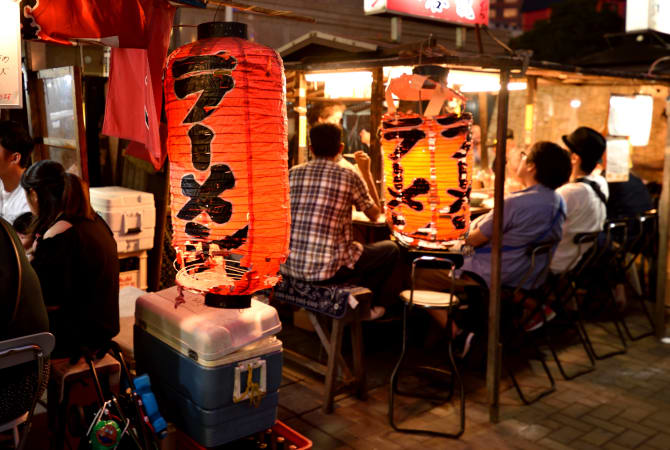
Fukuoka, the birthplace of mizutaki, is among the prefectures with the highest annual consumption of chicken per household. The origin of unseasoned boiled chicken goes back to the Meiji Era (1868-1912). It first appeared in Hakata in Fukuoka, inspired by the consomme soup of Western dishes and Chinese chicken dishes. It is prepared by cooking chicken and vegetables in chicken stock soup and then it is eaten after dipping it in ponzu sauce (pressed from a bitter orange) and relish such as chopped leek. After the chicken and vegetables are eaten, rice can be cooked in the soup pan to make porridge. The rice soaks up the soup containing the wonderful flavor from the ingredients and is exceptionally tasty.

Shochu or distilled spirits

The second most popular alcoholic beverage of Japan is shochu, which is categorized into two types according to the distillation method. One is honkaku shochu, (authentic shochu), which includes extracted flavor compounds in addition to alcohol made through the classic production method. It has a rustic taste and flavor from ingredients such as wheat, sweet potatoes, buckwheat or black sugar. In Kagoshima and Miyazaki in the Kyushu area, much of the imo-jochu is produced from sweet potatoes. The potato shochu from Kagoshima is satsuma shochu, which has a long history going back to the Muromachi Period (1333-1573), confirmed by the recent discovery of documentary evidence. Potato shochu has a unique flavor and sweetness and is a popular drink with either ice or hot water. You can enjoy the original straight taste and coolness of this drink with ice, while hot water brings out its rich flavor and sweetness. It is fun to change the way you drink it according to the season.

Sara-udon or wheat-flour noodles (Nagasaki Prefecture)

Nagasaki has long been an important trading port in Japan, and because it is where Eastern and Western cultures mix, you will find many varieties of food there. Sara wheat-flour noodles are a typical noodle dish of Nagasaki together with champon. There are two kinds of sara noodles - thick noodles fried with lard and thinner noodles fried with oil, popular for their crunchy texture. Various types of seafood, bamboo shoots or kikurage mushrooms and pork are all used as ingredients. The ingredients are fried in lard, and then seasoned with salt, pepper and sugar. A sauce made from pork and chicken stock with starch as a thickener is poured over the top. A dash of Worcester sauce makes it even tastier.

Hiyajiru (Miyazaki Prefecture)

A typical local dish of Miyazaki is hiyajiru. A soup is made from boiled-dried fish such as horse mackerel or dried sardines, and miso is also added. The soup is chilled and poured onto hot, cooked rice and eaten with vegetables such as cucumber and relishes including Japanese basil or ginger. This homey dish allows you to enjoy the flavor of summer vegetables and its refreshing taste. It is also suitable to eat after you have had a little too much sake. Some say this dish was created by busy Miyazaki farmers to eat quickly during their farm work. There is still a wide variety of hiyajiru dishes unique to each family in the local area.

Related Information