


































Things to Do Food & Drink in Japan Experience Japan's rich food and drink culture in its izakaya, restaurants, ryokan and ryotei
Japanese food is an art form. Try favourites like sushi and ramen, taste authentic regional cuisine, and enjoy local sake, shochu and beer.
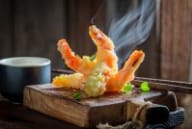
Japanese cuisine is roughly divided into washoku (traditional Japanese dishes like sushi, somen and tempura) and yoshoku (Japanese versions of western dishes, like pasta, omelette and beef stew). From Hokkaido 
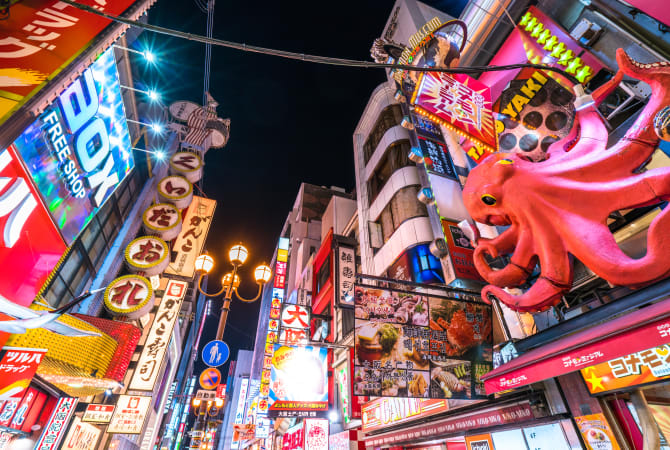
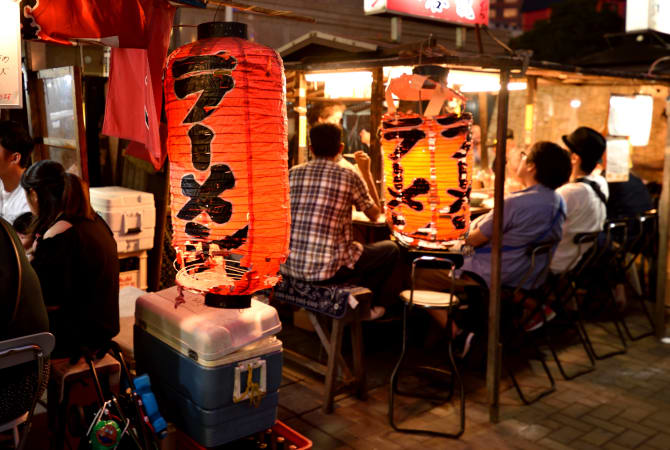
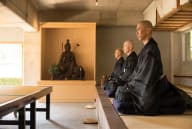
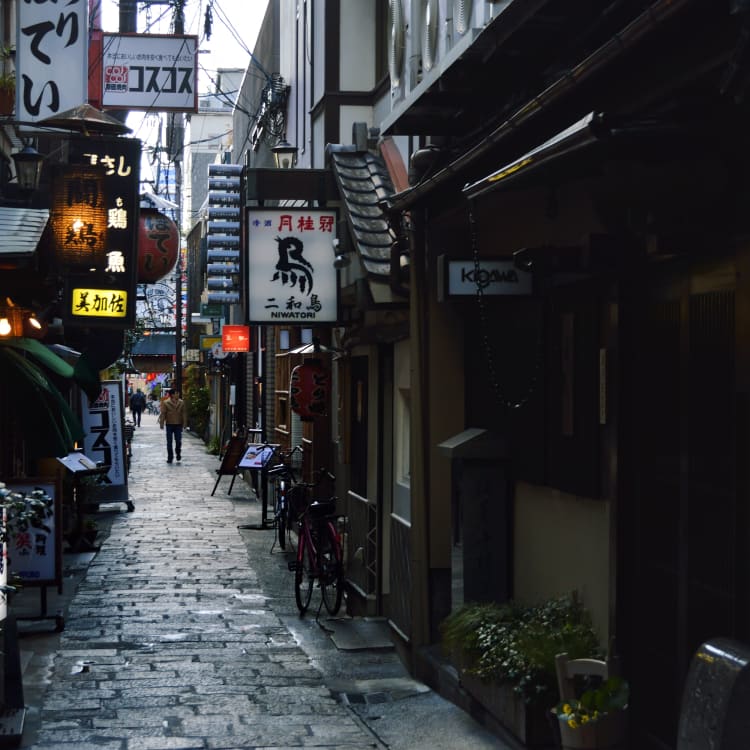
 in the north to Kyushu and Okinawa in the south, you can find highly seasonal regional specialties and dishes as delicious as they are beautiful, reflecting the local culture. Sit at a sushi counter, dine at a traditional ryotei, eat vegetarian shojin ryori in a monastery or enjoy casual food at an izakaya or yatai food stall.
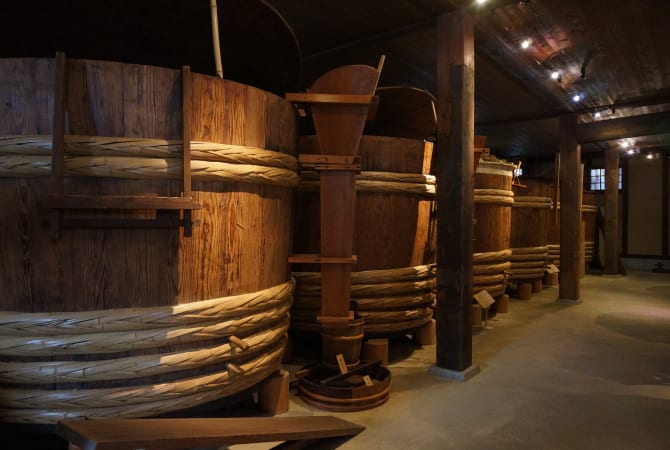
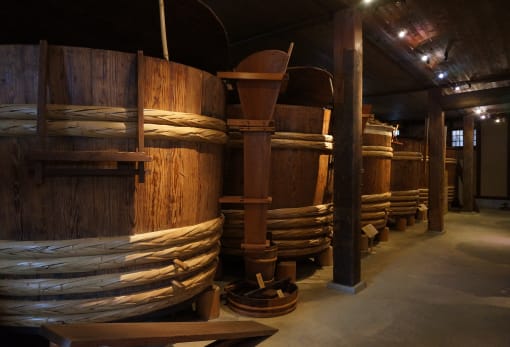
Complement traditional and modern takes on Japanese cuisine with sake from a local brewery in Niigata, sip on sweet potato shochu in
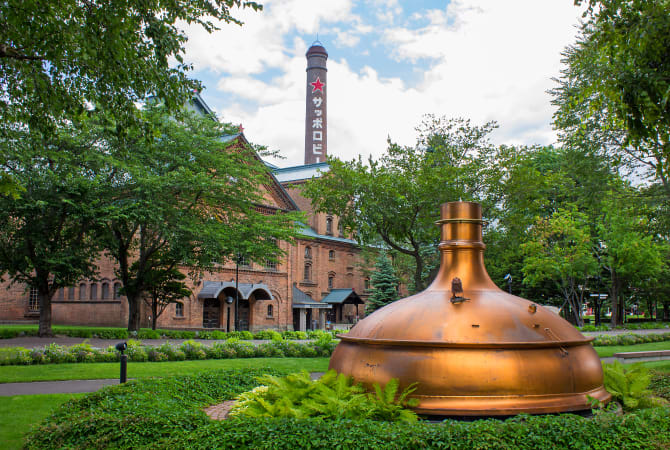
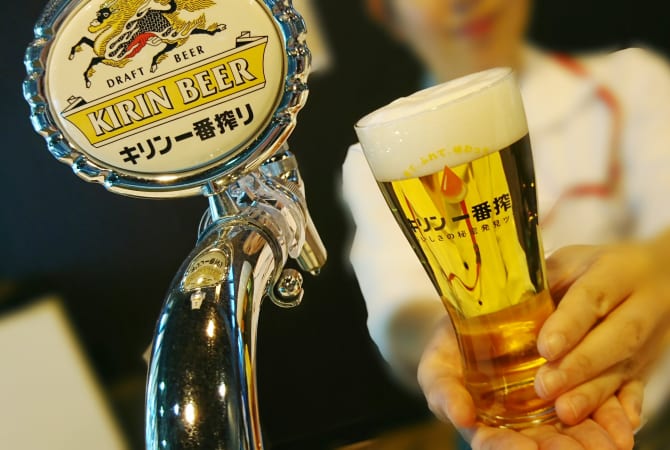
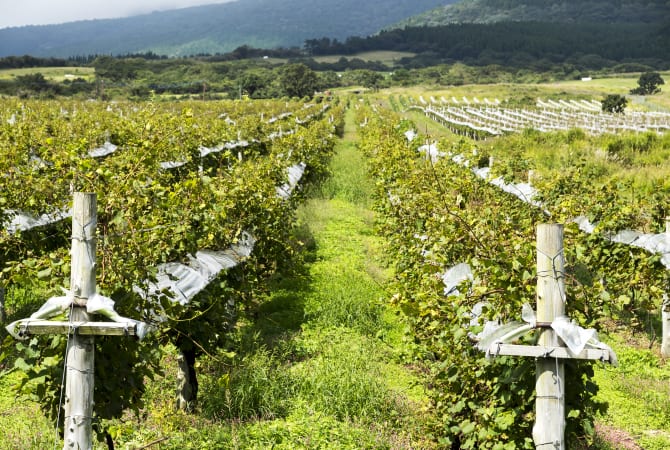
Kagoshima , or try one of Japan's highly-acclaimed whiskies from Hokkaido, Osaka or Nagano. Head to Yamanashi for elegant wines or try the newest craft gins and micro-brews in Tokyo. Explore, discover, taste and enjoy.
in the north to Kyushu and Okinawa in the south, you can find highly seasonal regional specialties and dishes as delicious as they are beautiful, reflecting the local culture. Sit at a sushi counter, dine at a traditional ryotei, eat vegetarian shojin ryori in a monastery or enjoy casual food at an izakaya or yatai food stall.
Complement traditional and modern takes on Japanese cuisine with sake from a local brewery in Niigata, sip on sweet potato shochu in
Kagoshima , or try one of Japan's highly-acclaimed whiskies from Hokkaido, Osaka or Nagano. Head to Yamanashi for elegant wines or try the newest craft gins and micro-brews in Tokyo. Explore, discover, taste and enjoy.
Explore by Interest


Top Recommendations