










Click to jump to the text

JAPAN

Japan is situated in northeastern Asia between the North Pacific and the Sea of Japan. The area of Japan is 377,873 square kilometers, nearly equivalent to Germany and Switzerland combined or slightly smaller than California. Japan consists of four major islands, surrounded by more than 4,000 smaller islands.

日本語 English
繁體中文 한국어

JNTO TRAVEL PLANNER

Before using the Planner, read the following items to help make your sightseeing trip safe and enjoyable.

Usage Guide

History & Culture

Experience Japanese Culture

Japan In-Depth

Text starts here.

Traditional Culture & Festivals

Traditional Culture

Shinto Shrines

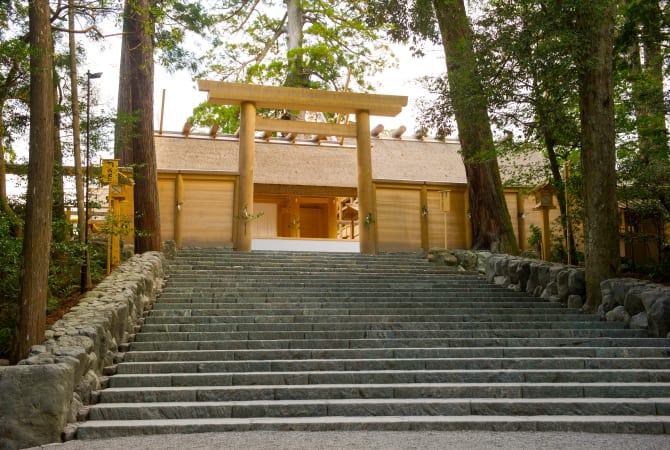
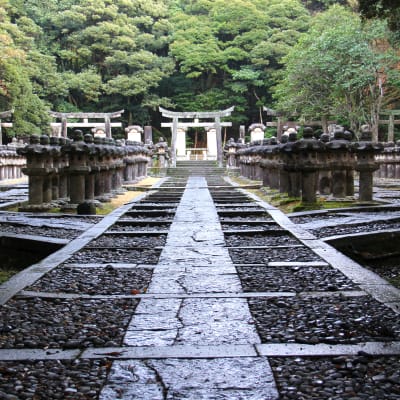
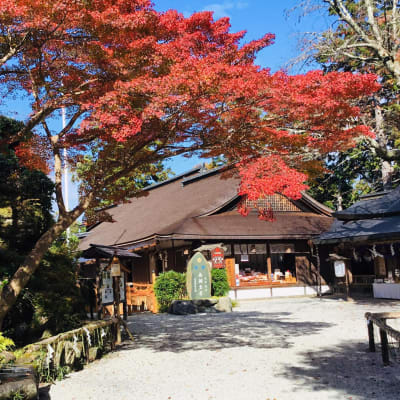
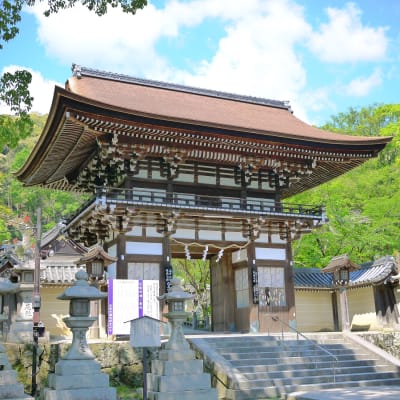
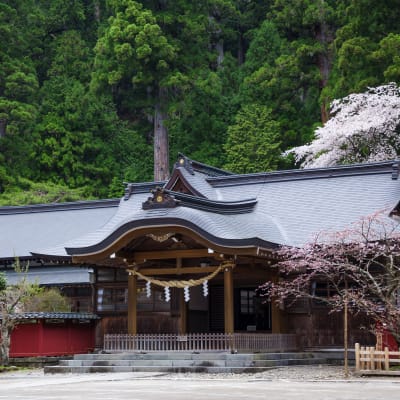
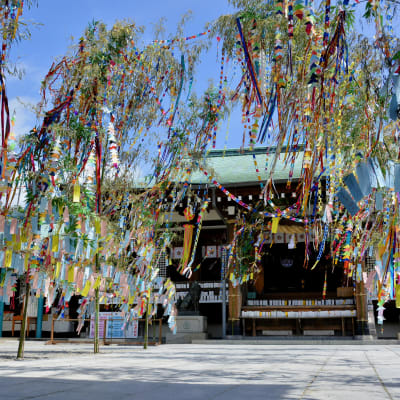
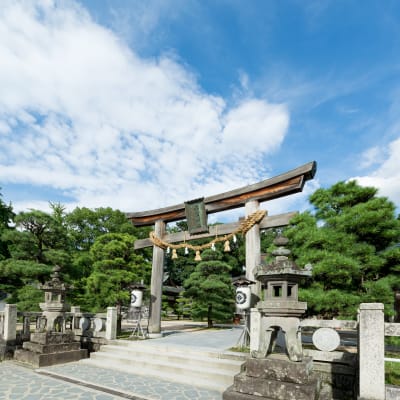
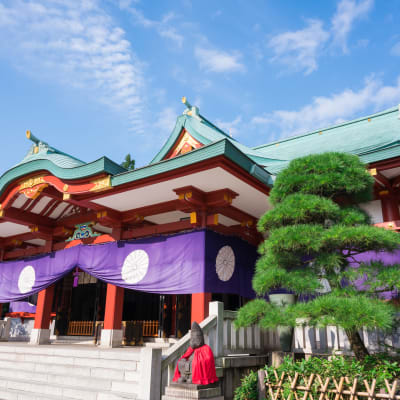
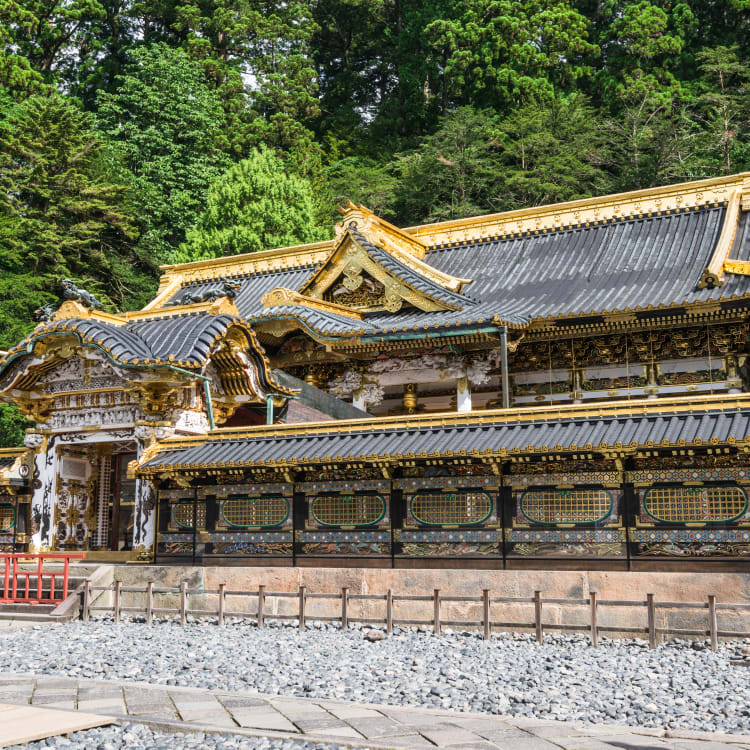
The jinja, or shrine, is where believers in Japan's indigenous religion, Shintô, go to worship. Shintô originated in ancient peoples' fears of demons and supernatural powers, and their worship of these. It has no written body of doctrine, but it is Japan's main religion and is practised widely through ceremonies and festivals.
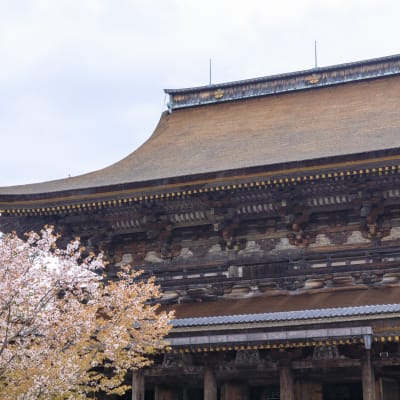
jinja
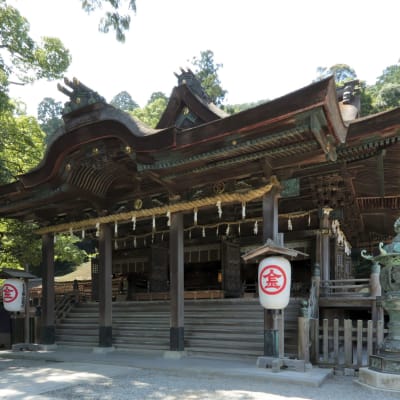
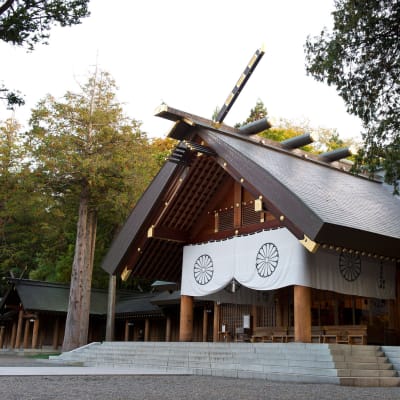
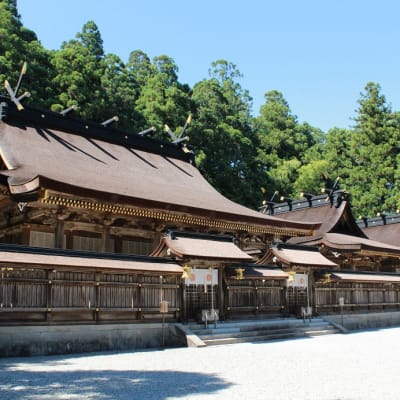
Shrine architecture
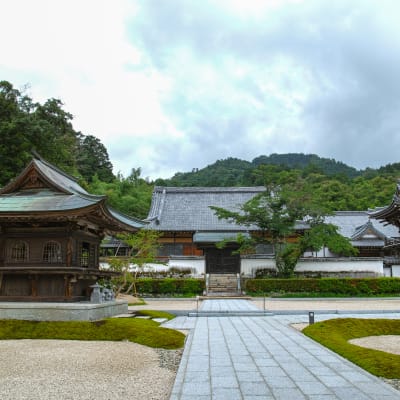
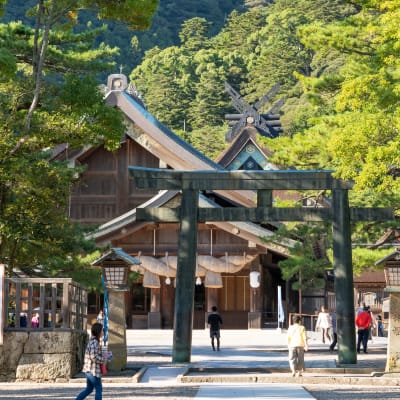
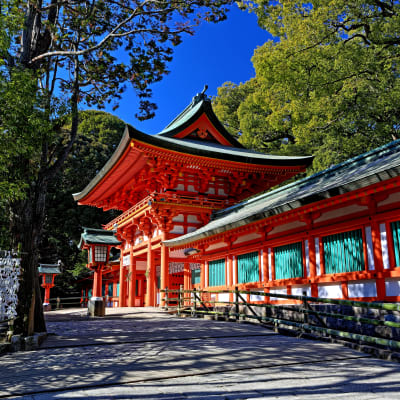
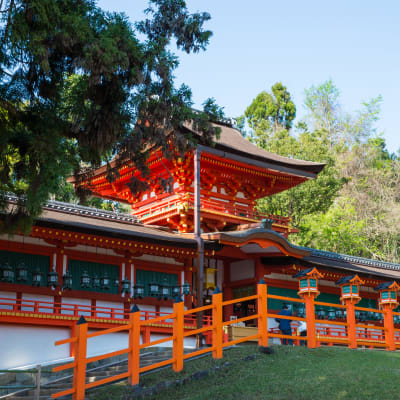
The main sanctuary of a shrine is called the Shinden or Honden. There are also ancillary buildings such as the Haiden, or outer hall, and the Hômotsuden, or treasury, but these are not arranged according to any particular specified layout.
architecture

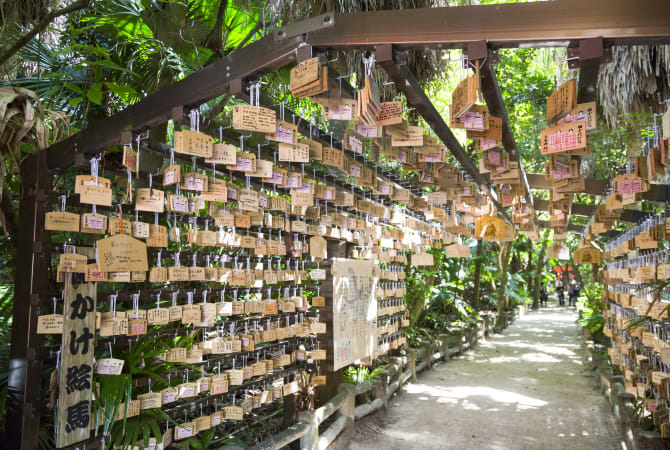
There are many luckey charms and other such objects to be seen at a shrine. Some are used to determine the will of the gods and some as a way of communicating with the gods and asking for their protection.
Saisenbako-and-Ema-and-others

The chief priest of a shrine is called the Kannushi. He is responsible for all the religious observances and the running of the shrine. The young girl assistants in a shrine are called Miko.
Kannushi-and-Miko

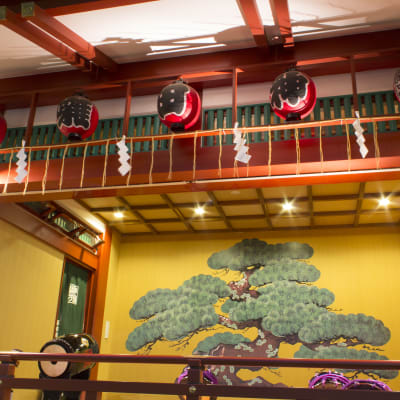
In ancient times, it was believed that people died when the soul left the body. To try and call it back, they used a form of magic called Kagura, which involved dancing and playing flutes and drums. This became formalized and developed into Noh and Kyôgen.
Kagura

(c)JTB2000