































Attraction
Sankyo Warehouses 山居倉庫
A warehouse of history
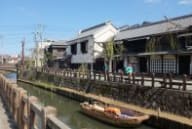
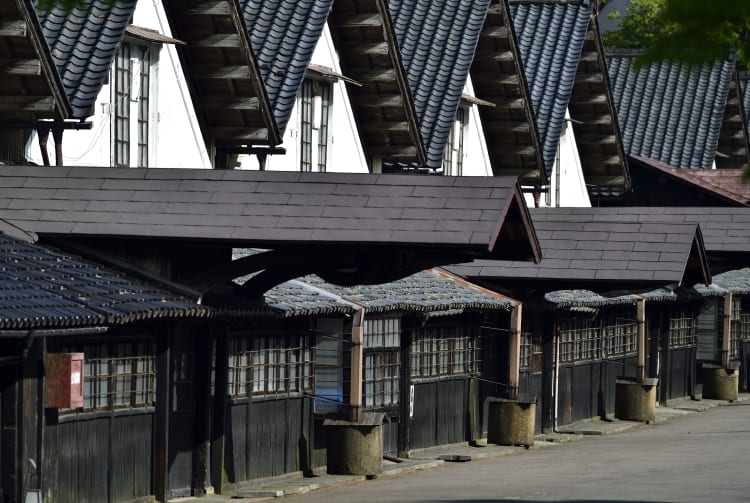
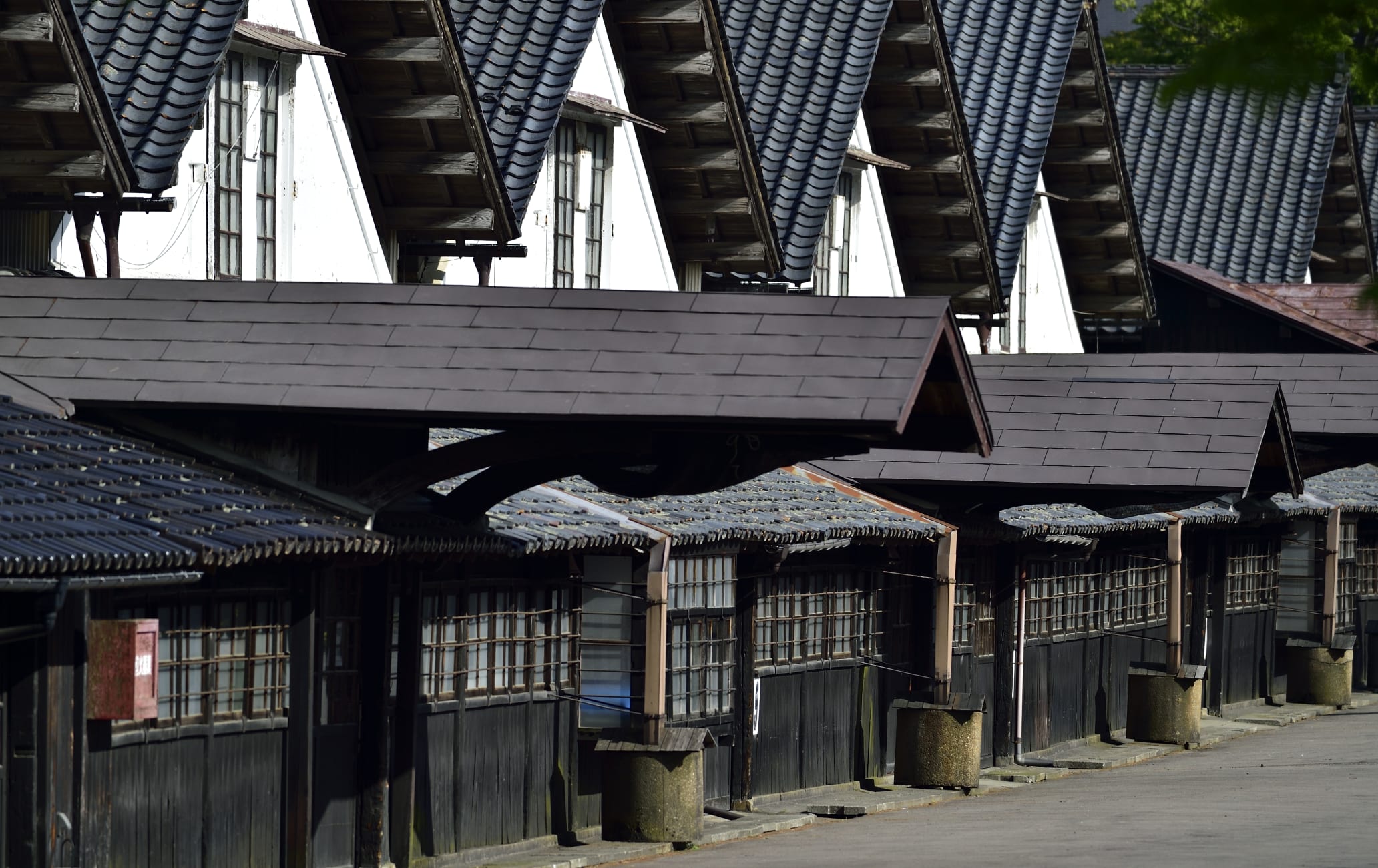
The historic Sankyo Warehouses structure in Sakata is more than a testament to the area's rice production. The former rice storehouses are now home to museums, restaurants and local craft stores. You can walk through the 12 beautiful storehouse buildings, shaded by zelkova trees. At night, the area is lit up, creating a romantic atmosphere.
How to Get There
The Sankyo Warehouses are accessible by car and on foot.
It is five minutes by car or taxi from Sakata Station. You can also reach the area on foot in around 25 minutes.
Quick Facts
Sankyo Warehouses were built in 1893
Used to store rice transported along the Mogami River
Served as the backdrop for the popular TV series “Oshin”


An important business
These majestic buildings played an essential role in the local economy, as Sakata was a major rice shipping port during the 19th century. The warehouses were designed to keep the rice cool and dry, using double roofing for insulation and the surrounding shade trees; consequently, it's a comfortable spot to visit in the summer.


The latest information may differ, so please check the official website.
* The information on this page may be subject to change due to COVID-19.
Recommended for You


