


















History
Ise-Jingu Naiku 伊勢神宮内宮
The most sacred Shinto shrine in Japan
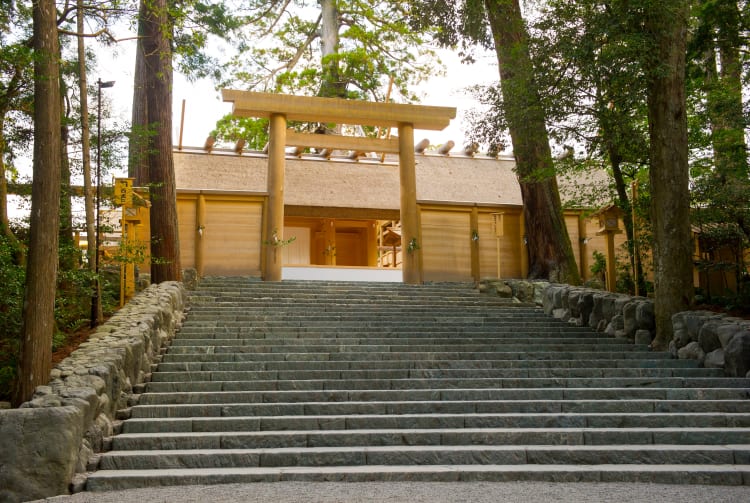
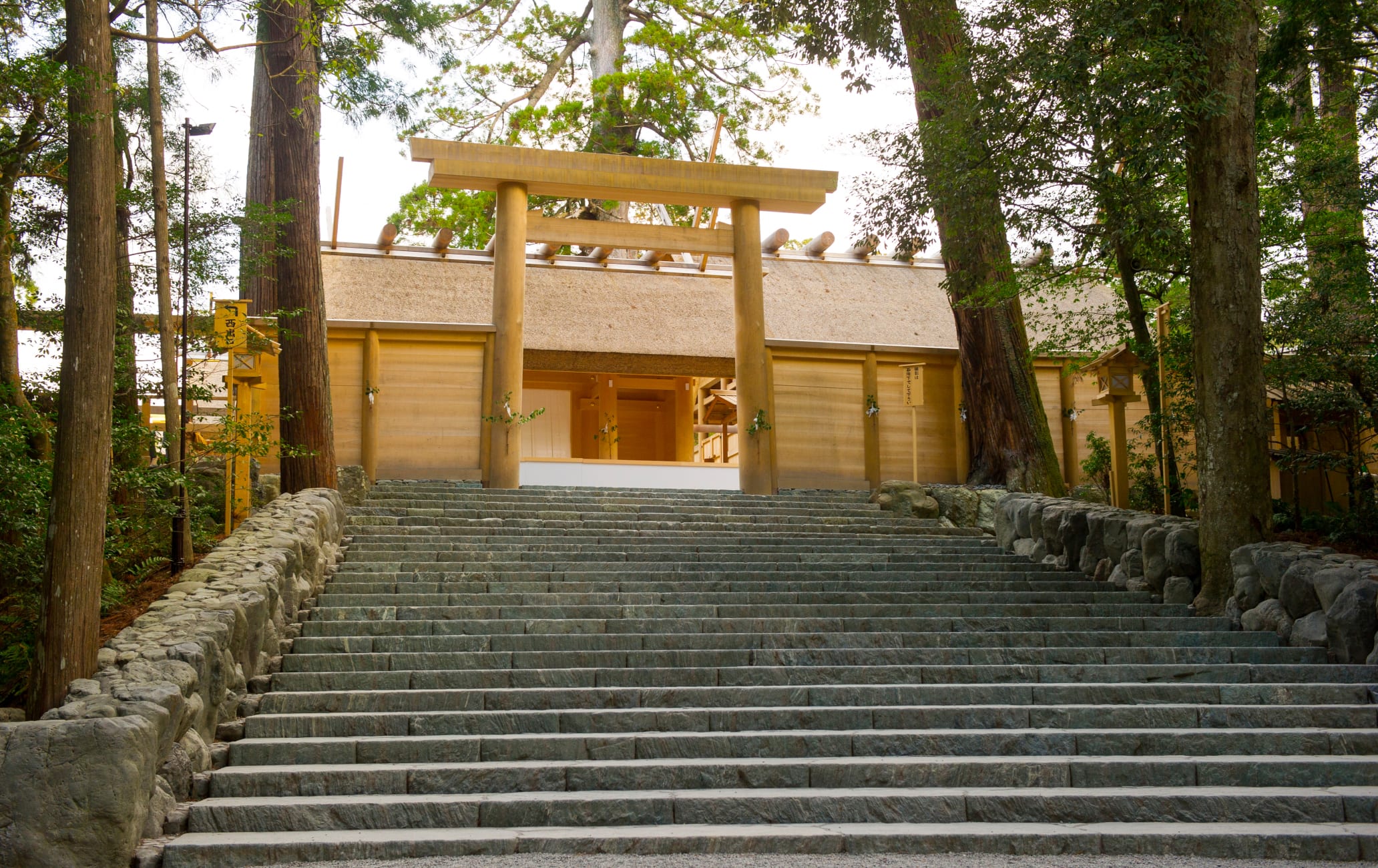
Nowhere is more sacred to the Japanese than Naiku of Ise-Jingu. A visit is a special opportunity to get in touch with the heart and soul of the Japanese people.
Don't Miss
- Exploring the most sacred sanctuary of the Shinto religion
- Unique gifts and culinary delights from Oharaimachi nearby
How to Get There
From Geku in central Ise 
 , a bus can get you to Naiku in 10 to 15 minutes.
If you're coming from elsewhere by train, Isuzugawa Station will get you closer. Buses from the station run frequently and take six minutes each way.
Isuzugawa Station is accessible from nearby major cities on the Kintetsu Line: from Nagoya in about 90 minutes, from Osaka-Namba in around 1 hour 50 minutes, and from Kyoto in approximately 2 hours 30 minutes.
The importance of Ise-Jingu
Naiku is the most important building within the Ise-Jingu Shrine complex. Modern research dates Naiku back to the 4th century, and some structures may have been erected as much as a century earlier.
The significance of Naiku stems from its enshrinement of Amaterasu Omikami and its connection with the mythical origin of the Japan. As the deity likened to the sun, she is the supreme deity of Shinto.
Japan's emperors, including the current successor to the Chrysanthemum Throne, are her direct descendants. The sacred priestess of Ise-Jingu must be related to the imperial household, and the Emperor himself visits Ise-Jingu on special occasions for the matter of great importance of Imperial Household and the nation.
A Sacred Mirror, Yata-no-kagami, one of the Three Imperial Regalias which are indispensable for the succession to the Imperial Throne is enshrined as a symbol of Amaterasu Omikami within the main sanctuary building of Naiku. According to Shinto myth, this mirror was said to have been used to lure Amaterasu out of a cave where she had been hiding from her younger brother's offensive behavior.
When to go
Naiku is popular year-round, but the New Year's holiday is particularly busy. Many people in Japan visit Shinto shrines to pray for good luck in the new year.
In fact, many Japanese try to make the pilgrimage to Ise at least once in their lives, and New Year is considered an especially auspicious time to visit.
If you're able to visit in April or late in September, you can see the Kagura Festival featuring performances of ancient Japanese dance and music dedicated to Amaterasu Omikami.
A portal to the realm of the spirit
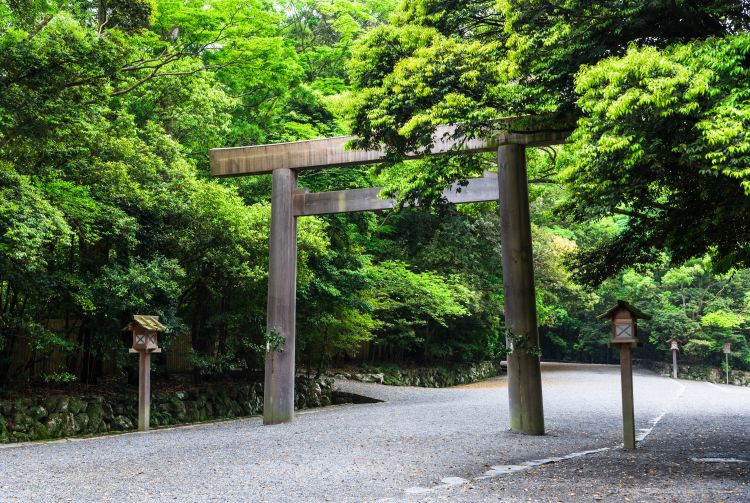
To enter the grounds of Naiku, you cross the wooden Ujibashi Bridge. From here you seem to step back in time, with the only sign of modernity being a nearby Japanese flag. The grounds have a solemn, otherworldly atmosphere.
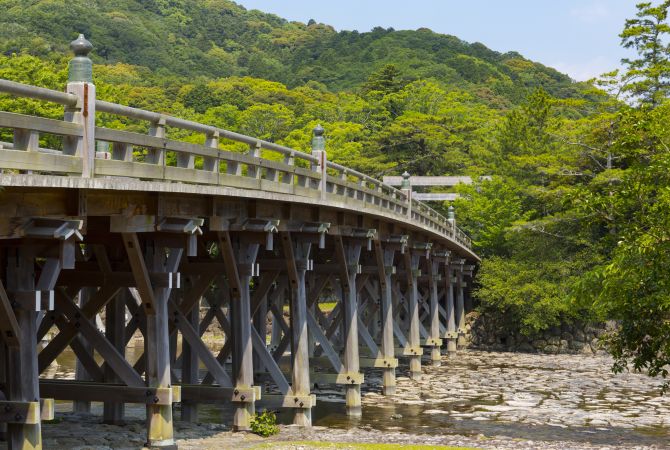

Traditional torii gates stand at either end of Ujibashi Bridge, acting as a boundary between the secular world and the divine. Visitors should not walk down the middle.
Cycle of renewal
Naiku, the Ujibashi Bridge, and other important structures have been ritually reconstructed once every 20 years since the 7th century. However, the reconstruction was temporarily suspended during the medieval age (15th ~16th century). The most recent renewal was in 2013. Each cycle of reconstruction takes eight years to complete.

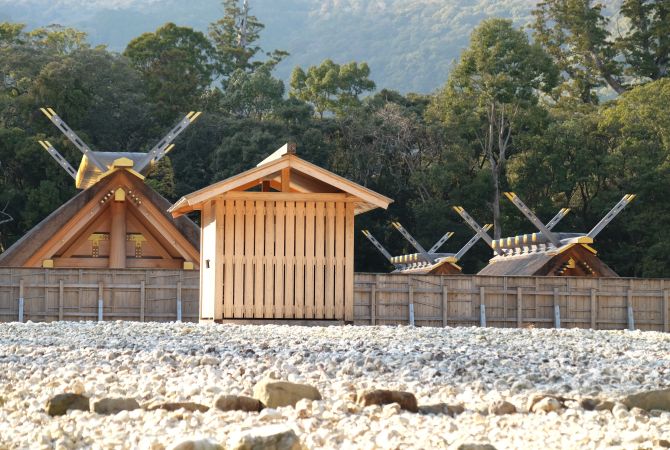
Modest, yet imposing
The structures here are built with unvarnished Japanese cypress traditionally harvested from the Kisodani Area in Nagano Prefecture . In recent years, about 20% of the total lumbers have come from mountains surrounding Naiku.
In contrast with the brilliant vermillion red you see at other renowned Shinto shrines like Fushimi Inari Taisha in Kyoto , Naiku is simple and not at all flashy.
As you near the main building of Naiku, the view is obscured by a hanging curtain, as regular people should not gaze directly at it.
The return journey
After paying your respects, a vast array of food, trinkets, craftwork and more awaits you in the traditional pilgrim's district near Naiku, home to the atmospheric street known as Oharaimachi and the square called Okage Yokocho.
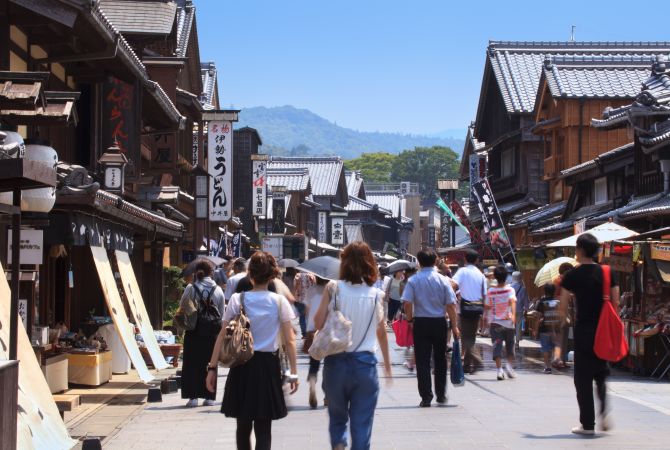

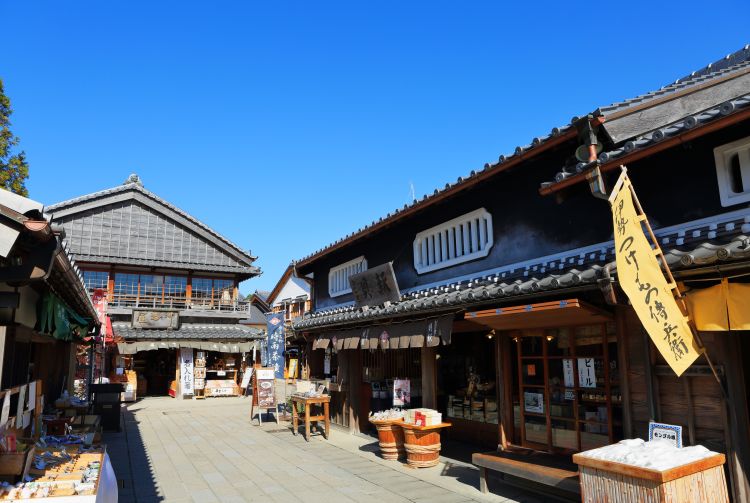
Other areas of interest near Ise-Jingu include the Hinjitsukan , an elite historic inn that's been converted into a museum. Head south to the city of Toba , and you'll find the Toba Aquarium .

* The information on this page may be subject to change due to COVID-19.
Recommended for You


