

















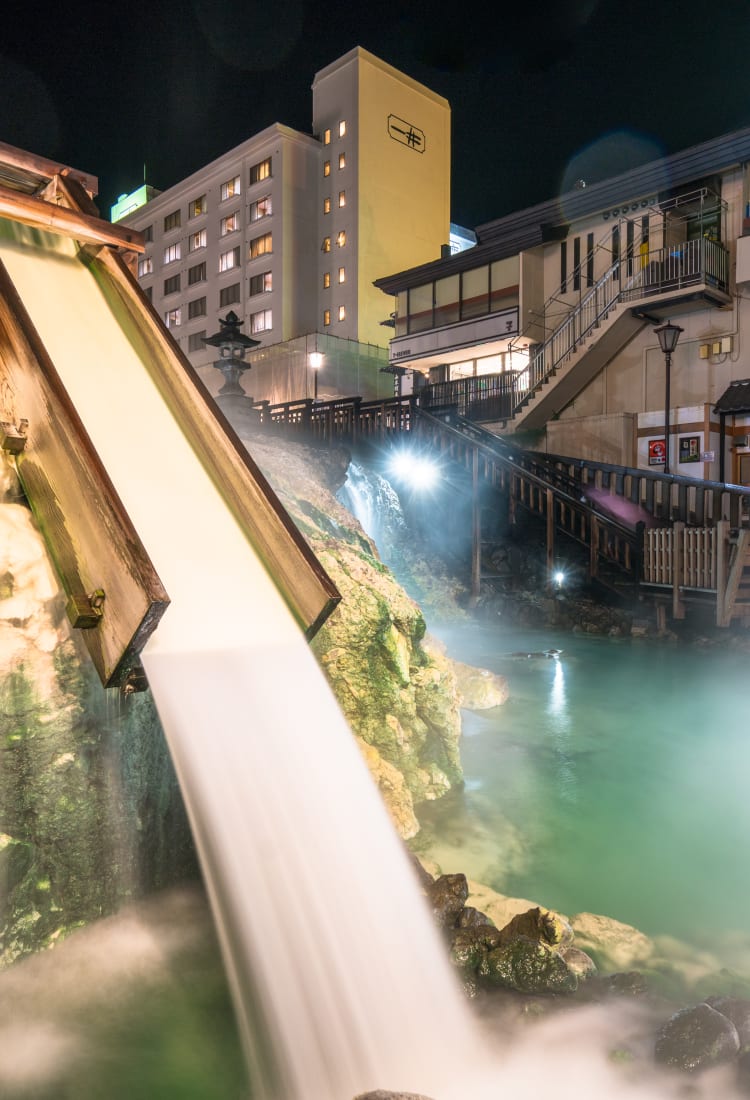
Kanto Gunma Relax in some of Japan’s most revered hot springs
Gunma is a natural playground, with hiking and skiing opportunities and countless hot springs, easily accessible from Tokyo
How to Get There
Gunma Prefecture is accessible via bullet train from Tokyo in around 50 minutes. Alternatively, there are cheaper local train lines that connect you to the area in under two hours.
From Tokyo Station or Ueno Station, catch the Joetsu Shinkansen to Takasaki Station, which takes around 50 minutes. From Takasaki Station, you can take local train lines or buses to other locations. Renting a car is also a good option for traveling in Gunma.


Don’t Miss
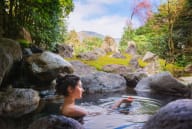
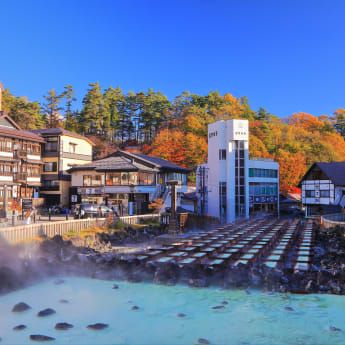
- The historical hot springs of Ikaho and Kusatsu
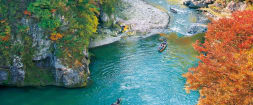
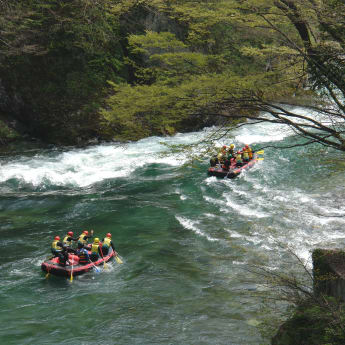
- Canyoning and rafting in the mountainous region of Minakami
- Japan’s oldest mechanical silk-reeling factory, the Tomioka Silk Mill, on UNESCO's World Heritage list
Recommended for You


Explore Gunma by Area


Trending Attractions in Gunma



Local Specialties
-
Yakimanju
People in Gunma love yakimanju, but these sweet buns are little known elsewhere. They are skewered, then grilled over charcoal and brushed with a rich, sweet miso paste.

-
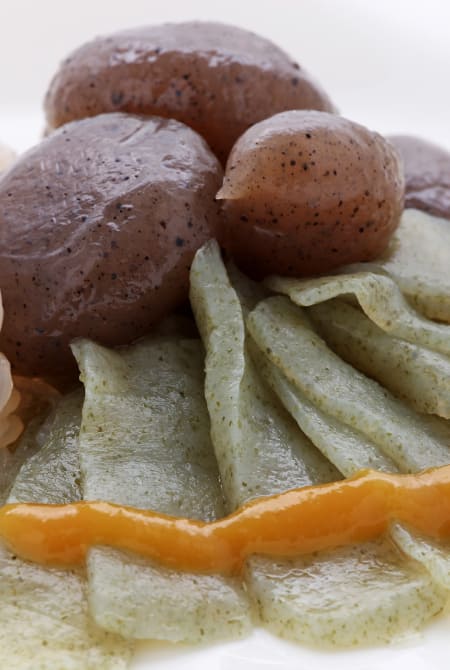
Shimonita Konnyaku
Gunma produces the majority of Japan's konnyaku. Konnyaku has a chewy texture, is very rich in fiber and contains virtually no calories. It's a common ingredient in the Japanese stew called oden.
-
Mizusawa Udon
Gunma produces some of Japan's best wheat, so udon made here is especially delicious. Mizusawa udon one of Japan's three major types of udon noodles. Firm, thick and semitransparent, made with wheat flour, Mizusawa water and salt, it has a unique look and flavor.
-
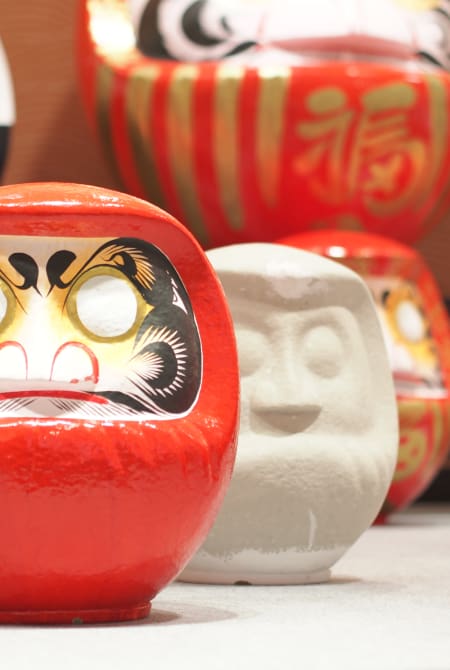
Takasaki Daruma Dolls
Many daruma good luck charms are made in Takasaki. These papier-mache dolls are popular during the New Year period when wishes for the coming year are made. They come in a range of colors, including the traditional red meant to ward off evil spirits.
-
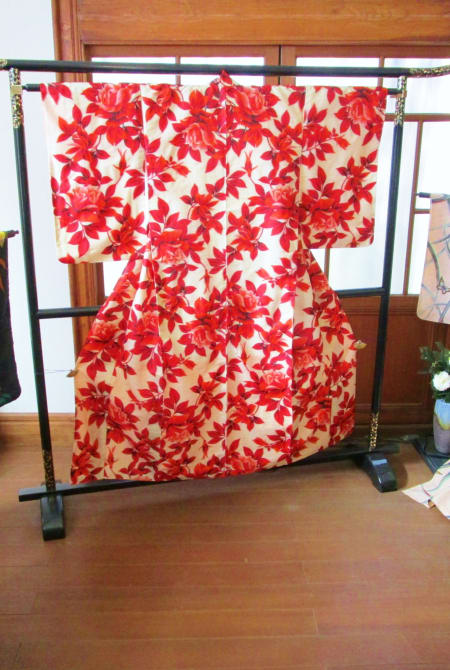
Isesaki Silk Textiles
Isesaki kasuri is a resist-dyed silk textile. This traditional method of hand dyeing and weaving produces vibrant artisanal textiles typically used in kimono and noren curtains.


Seasonal Highlights
-
Spring
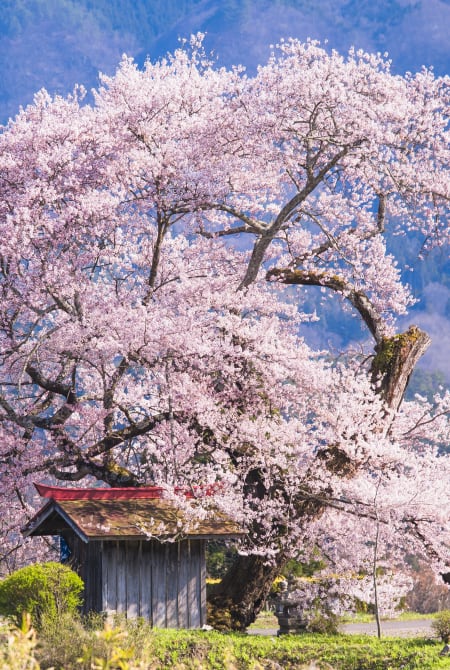
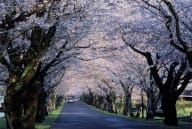
Shades of red and white sprinkle the hills of Gunma thanks to the thousands of Japnese plum trees that cover the area. From mid-April to mid-May, 5,000 cherry trees bloom at Sakura no Sato park at the southern foot of craggy Mt. Myogi.
-
Summer
Cool off in the canyons of Minakami, or go on an exciting rafting adventure. Celebrate summer with impressive fireworks displays, the Numata Festival where the floats are carried mostly by women, and the Kiryu Yagibushi Festival's folk dances.
-
Autumn
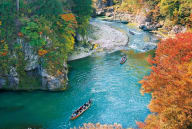
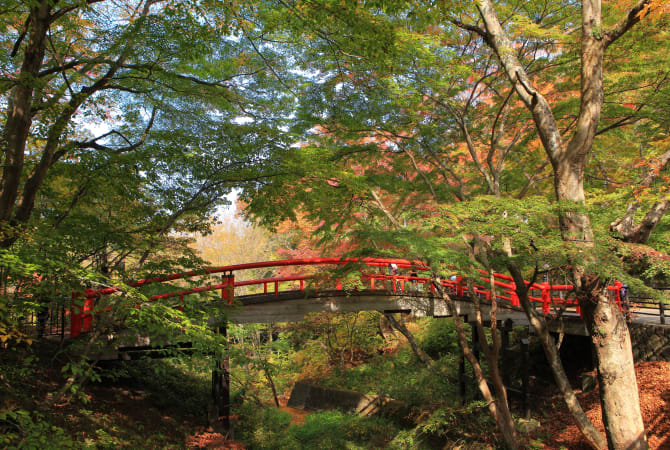
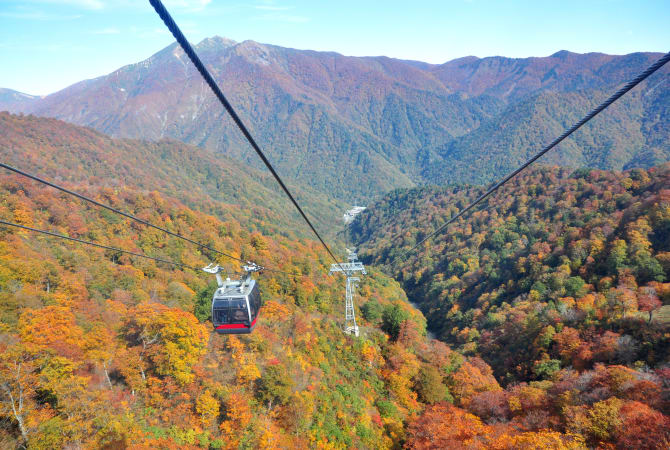
Watch the landscape light up with fiery shades of red, gold and yellow as the autumn leaves around Kusatsu, Mt. Akagi and Takatsudo Gorge transform. Festivals celebrating roses, sunflowers and cosmos flowers add even more color, as do events like the Fox Wedding in Minowa and Isesaki Fireworks.
-
Winter
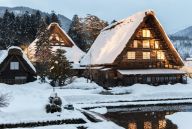
In winter, head for the numerous ski resorts of Gunma and be dazzled by the seasonal illuminations lighting up the fresh, powdery snow, including Oigami Onsen's Yuki Hotaru display, featuring tiny snow huts filled with lanterns to create an ethereal glow.