











































Click to jump to the text.

San'nai-Maruyama Ruins三内丸山遺跡

The largest ruins of a traditional village, dating from 4,000 to 5,500 years ago. Stepping into this region is like taking a step back in time.

日本語 English
繁體中文 簡体中文
한국어  

JNTO TRAVEL PLANNER

Use the "JNTO TRAVEL PLANNER" for train and map information helpful in traveling around Japan.

  • By simply entering the departing and arrival station, get an overview of train transfer method, fares, and travel time.
  • By simply selecting the arrival airport and major train stations around Japan, find routes to stations nearest your destination.
  • Display a map of the arrival train station and areas surrounding sightseeing spots.

Read the "Usage Guide" and use this service for a safe and enjoyable trip in Japan.

Usage Guide

Copyright

日本語 English 繁體中文 簡体中文 한국어

Aomori青森県

San'nai-Maruyama Ruins三内丸山遺跡

Find a Location

  1. Home >
  2. Find a Location >
  3. Aomori >
  4. San'nai-Maruyama Ruins
Text starts here.

The largest ruins of a traditional village, dating from 4,000 to 5,500 years ago. Stepping into this region is like taking a step back in time.

The San'nai-Maruyama Ruins in the southwest of Aomori are the largest ruins of a Jomon-period (about 10,500-300 BC) village in Japan, and are estimated to date from 4,000 to 5,500 years ago. As the excavation advanced, it became clear that the ruins were of a large village that had existed for more than 1,500 years—something that excited the archeological world. At present, most of the excavated items have been reburied for preservation, but a few excavation sites and artifacts are on display, giving you a sense of ancient times.

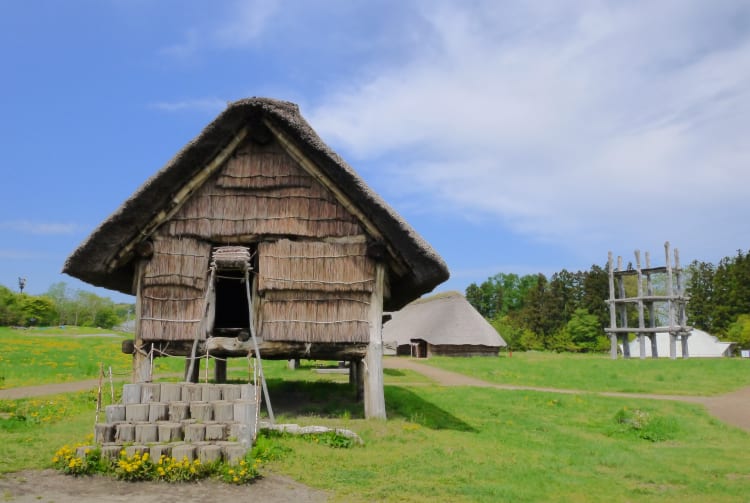
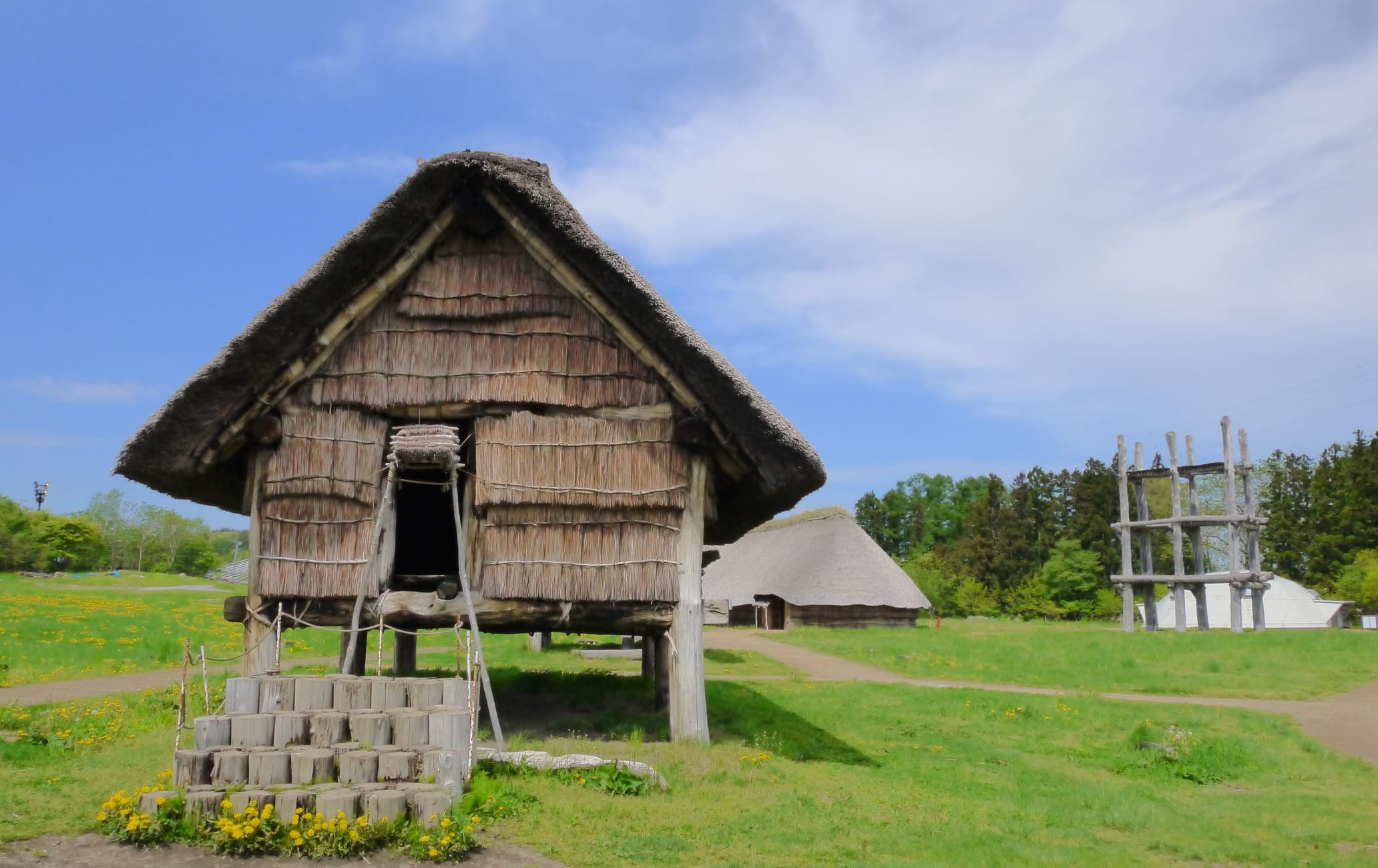
In one site measuring about 120,000 square meters, several buildings have been restored: a large building made with pillars sunk into the ground, a large dwelling built into a dugout, and a warehouse with a raised floor. The large building made with pillars sunk into the ground was a great discovery, because it showed that people at that time possessed high-level construction techniques, and refuted the previously held theory that the techniques to construct this kind of building had not been developed during that era. Also, the large dwelling built into a dugout is a huge construction, measuring 32 meters long, 10 meters wide, and 8 meters high.

In the exhibition room, you can see interesting items such as flat clay figures, earthenware, personal ornaments, and small knitted baskets called "Jomon pochette." If you want a guided explanation while looking at the exhibits, a volunteer from the San'nai-Maruyama Supporters' Group will be happy to show you round the exhibits.

Route search


Directions

3h 50 min from Tokyo via Hachinohe (JR Tohoku Shinkansen Line) to Aomori Station by JR Tohoku Line. 25 min from Aomori Station to the San'nai-Maruyama Ruins by Aomori City Bus.


Related Information

Tourist Attractions