
















































Festivals & Events
Gujo Odori Festival 郡上おどり


A 400-year-old community festival that draws thousands every summer
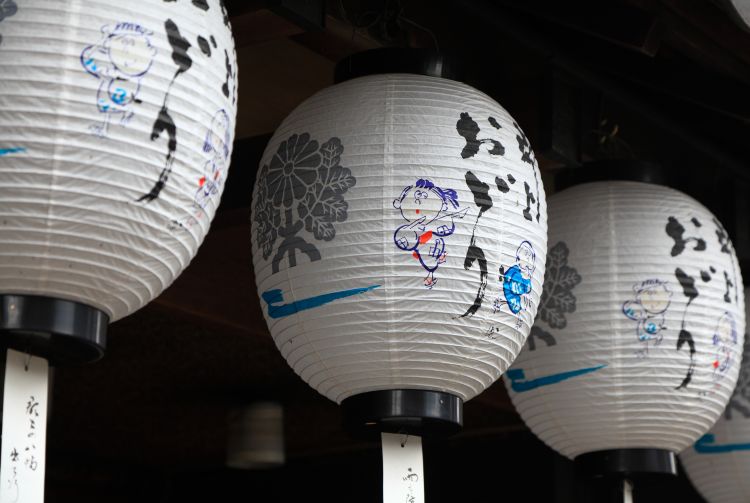
The Gujo Odori Festival takes summer dance in Japan to a new level. Held from July to September and featuring ten different dances, Gujo Odori is unlike any other summer matsuri in Japan.

How to Get There
The festival is accessible by public transport.
By train, take the JR Takayama Line from Gifu Station to Mino-Ota Station, about 35 minutes away, and change to the local Nagaragawa Railway for Gujo-Hachiman 
 .
.
Most highway buses from Nagoya and Gifu stop at Gujo-Hachiman Inter and a smaller number stop at the more convenient Gujo-Hachiman Jokamachi Plaza.
Quick Facts
Dances take place from July to September
The festival peak is during mid-August during the Obon period
Dances last from sunset to sunrise


An Important Intangible Folk Cultural Property
The Gujo Odori is officially recognized as one of the three most important bon festivals in Japan. It began during the Edo period (1603-1867) because of Yoshitaka Endo's efforts to bring the people of Gujo together irrespective of class or status. As a result, the Gujo Odori is famous for being especially welcoming to visitors and very tolerant of inexperienced dancers. The event's goal is to make friends and connect with people.
No room at the inns
There are about 30 nights of dancing between July and September, and dances go from dusk to dawn. During this time hundreds of thousands of people of people gather in Gujo, packing the streets and hotels. Check out the schedule here
In Gujo the party seeks you
There are ten recognized dances, each of which can be quickly picked up by following your neighbor, though classes are offered for the keen. Locals and enthusiastic visitors wear yukata and wooden sandals called geta, but there is no dress code. There are many dance locations around the town in the vicinity of important shrines and temples. Gujo's compact center means you're never far from the party.
* The information on this page may be subject to change due to COVID-19.
Recommended for You